

Generational value alignment strategies for Millennial and Gen Z procurement teams
Let’s face it—procurement isn’t what it used to be. Gone are the days when a single spreadsheet and a handshake sealed the deal. Today, Millennial and Gen Z procurement teams are rewriting the rules. They’re not just buying goods and services—they’re buying into values. And honestly? That shift is forcing organizations to rethink everything from supplier selection to contract negotiation. So, how do you align these generational values without losing your mind? Let’s break it down.
Why generational value alignment matters now more than ever
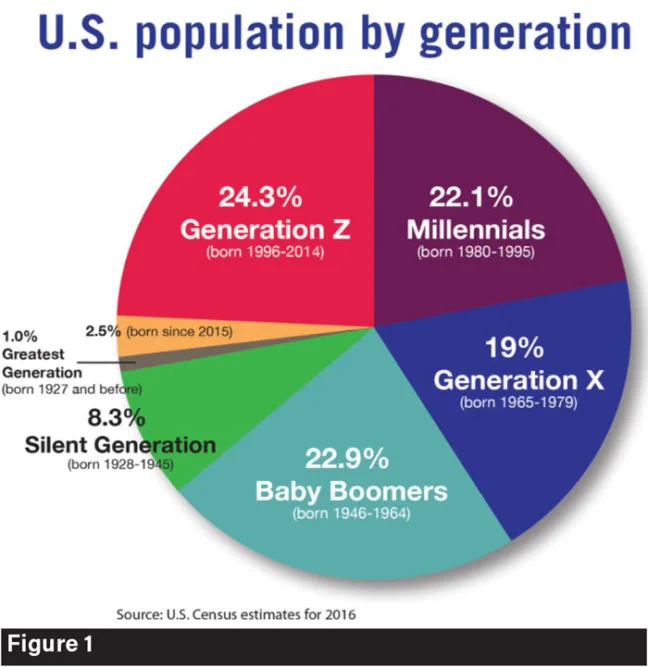
Here’s the deal: Millennials (born 1981–1996) and Gen Z (born 1997–2012) now make up a massive chunk of the procurement workforce. By 2025, they’ll represent nearly 60% of all procurement professionals. That’s not a trend—it’s a tidal wave. And these generations bring a different playbook. They care about sustainability, transparency, and social impact. They want to work with suppliers who share their ethics, not just their pricing.
But here’s the kicker—value alignment isn’t just about warm fuzzies. It’s a business imperative. A 2023 Deloitte survey found that 70% of Gen Z buyers would pay a premium for sustainable products. For Millennials, that number is 54%. So, if your procurement strategy ignores these values, you’re not just missing the mark—you’re losing money.
Understanding the value drivers of Millennial and Gen Z procurement pros
Before we dive into strategies, let’s get inside their heads. Millennials grew up during the Great Recession. They value stability, but they also crave purpose. Gen Z? They’re digital natives who witnessed climate activism and social justice movements in real time. Their values are baked into their DNA.
Key value drivers for Millennials
- Sustainability: They want to know where products come from and how they’re made.
- Flexibility: Rigid contracts feel outdated. They prefer agile, collaborative agreements.
- Diversity: Supplier diversity isn’t a checkbox—it’s a core metric.
- Technology: They expect digital tools that streamline processes, not complicate them.
Key value drivers for Gen Z
- Radical transparency: They want to see the entire supply chain, warts and all.
- Social impact: Suppliers that give back to communities? That’s a green light.
- Speed: They grew up on instant gratification. Slow procurement cycles frustrate them.
- Ethical AI: They’re wary of algorithms that perpetuate bias or exploit workers.
Notice a pattern? Both generations prioritize purpose over profit—but they express it differently. Millennials lean into collaboration; Gen Z pushes for disruption. The trick is to blend these impulses without creating chaos.
Practical strategies for aligning values across generations
Alright, let’s get practical. You can’t just slap a “sustainable” label on your RFP and call it a day. You need strategies that resonate—and that actually work. Here are five approaches that have been tested (and tweaked) by forward-thinking procurement teams.
1. Embed ESG criteria into your sourcing scorecards
Don’t just talk about environmental, social, and governance (ESG) goals—quantify them. Create a weighted scorecard that gives sustainability and ethics real teeth. For example, assign 20% of your supplier evaluation to carbon footprint data. Another 15% to labor practices. Gen Z will appreciate the specificity. Millennials will love the structure.
Honestly, a simple table can help visualize this:
| Criteria | Weight | Millennial Appeal | Gen Z Appeal |
|---|---|---|---|
| Carbon footprint | 20% | High | Very High |
| Supplier diversity | 15% | High | High |
| Ethical labor audit | 15% | Moderate | Very High |
| Cost competitiveness | 30% | High | Moderate |
| Digital integration | 20% | Moderate | High |
See how that works? It’s not about ditching cost—it’s about balancing it with values.
2. Use technology to tell a story
Millennials and Gen Z are visual learners. They don’t want a 50-page PDF on supplier ethics. They want a dashboard. Use tools like blockchain for traceability or AI for risk analysis—then visualize the data. Show them a map of your supply chain with real-time sustainability scores. It’s like a video game for procurement nerds. And trust me, they’ll engage.
One procurement manager I spoke to said her team built a “value alignment tracker” using Power BI. It showed how each supplier contributed to the company’s net-zero goals. The result? Gen Z team members started requesting more supplier audits—on their own time. That’s ownership.
3. Create cross-generational mentorship loops
Here’s a quirk: Millennials often feel like the “forgotten middle child” between Boomers and Gen Z. They have experience but sometimes lack the digital fluency of Gen Z. Meanwhile, Gen Z has ideas but lacks the negotiation chops. So, pair them up. Not as mentor-mentee, but as co-creators.
Set up “value alignment sprints” where a Millennial and a Gen Z team member jointly evaluate a supplier. The Millennial brings relationship-building skills; the Gen Zer brings ethical scrutiny. It’s messy sometimes—they’ll argue over data points—but that friction produces better decisions. And it builds trust across generations.
4. Rethink your supplier communication
Stop sending formal letters. Start sending video updates. Or Slack messages. Or even—gasp—TikTok-style snippets for internal briefs. I’m not kidding. One procurement team I know created a short, animated video explaining their new supplier code of conduct. It got more views than any email campaign. Why? Because it felt human.
For external suppliers, encourage transparency in their own storytelling. Ask them to share their “why” in a 90-second video. Millennials and Gen Z want to see faces, not just logos. It’s about connection, not contracts.
5. Build flexibility into your contracts
Rigid, multi-year contracts are a turn-off for younger teams. They want options—like sustainability-linked bonuses or performance-based renewals. Consider adding clauses that reward suppliers for hitting ESG targets. For example, a 2% discount if they reduce water usage by 10%. That’s a win-win. And it aligns values with incentives.
Sure, legal might push back. But you can start small—pilot a flexible clause with one key supplier. Then scale. Gen Z will champion it; Millennials will refine it.
Common pitfalls—and how to avoid them
Look, not every strategy lands perfectly. Here are a few mistakes I’ve seen—and how to sidestep them.
- Overpromising on sustainability. Don’t greenwash. Gen Z will sniff it out instantly. Be honest about your gaps—and share your improvement plan.
- Ignoring cost entirely. Values matter, but budgets still exist. Frame value alignment as a long-term cost saver (e.g., lower risk, better brand reputation).
- Assuming one size fits all. Millennials and Gen Z aren’t monoliths. Survey your team. Find out what they actually care about. You might be surprised—some Gen Zers prioritize speed over sustainability.
Also, don’t forget the Boomers and Gen Xers in your team. They have wisdom too. Value alignment isn’t about erasing older generations—it’s about blending perspectives.
Measuring success: what to track
You can’t manage what you don’t measure. But don’t get bogged down in vanity metrics. Instead, focus on these three:
- Supplier ESG score improvement over time (quarterly).
- Employee engagement scores from procurement team surveys—especially around purpose and satisfaction.
- Contract renewal rates with suppliers that meet your value criteria. If they’re high, you’re doing something right.
One more thing—track the number of “value-driven innovations” that come from your team. Like a new supplier collaboration that reduces waste. These stories are gold. They prove alignment works.
The big picture—why this isn’t just a trend
Some people think generational value alignment is a passing fad. It’s not. It’s a fundamental shift in how work gets done. Millennials and Gen Z are reshaping procurement because they’ve seen the consequences of short-term thinking—climate disasters, supply chain scandals, burnout. They want to build something better.
And honestly? They’re right. Value alignment isn’t just about making them happy—it’s about making your organization resilient. Suppliers that align with your values are less likely to cause reputational damage. Teams that feel purpose-driven are more productive. It’s a virtuous cycle.
So, when you’re drafting that next RFP or evaluating a new vendor, pause. Ask yourself: Does this reflect what my team stands for? Does it honor the values of the people who will execute it? If the answer is yes, you’re on the right track. If not—well, it’s time to rethink.
Procurement isn’t just about buying stuff anymore. It’s about buying into a future that works for everyone. And that’s a strategy worth aligning around.
[Meta title: Generational value alignment strategies for Millennial and Gen Z procurement teams | Meta Description: Learn how to align values across Millennial and Gen Z procurement teams with practical strategies, ESG score


